Showing posts with label Disorders. Show all posts

Saturday, December 25, 2010

Attention deficit hyperactivity disorder ADHD in Children

Share on
Facebo
Attention deficit hyperactivity disorder (ADHD) is a condition that robs children of their ability to focus and pay attention. Kids with ADHD are fidgety and easily distracted. This makes it difficult to stay “on task,” whether it’s listening to a teacher or finishing a chore. The National Institute of Mental Health estimates 3% to 5% of kids have ADHD, but some experts believe that figure could be as high as 10%.

ADHD Symptoms:  

The child with ADHD who is inattentive will have 6 or more of the following symptoms:

  • Has difficulty following instructions
  • Has difficulty keeping attention on work or play activities at school and at home
  • Loses things needed for activities at school and at home
  • Appears not to listen
  • Doesn't pay close attention to details
  • Seems disorganized
  • Has trouble with tasks that require planning ahead
  • Forgets things
  • Is easily distracted
The child with ADHD who is hyperactive/impulsive will have at least 6 of the following symptoms:
  • Fidgety
  • Runs or climbs inappropriately
  • Can't play quietly
  • Blurts out answers
  • Interrupts people
  • Can't stay in seat
  • Talks too much
  • Is always on the go
  • Has trouble waiting his or her turn

ADHD’s Impact on Daily Life

Without treatment, ADHD can affect a child’s development socially and academically. The inability to focus often leads to poor performance in school. Kids who interrupt or cut in line may have trouble making and keeping friends. These setbacks can lead to low self-esteem and risky behaviors. ADHD also increases the risk of childhood depression and anxiety disorders.

Causes of ADHD

Children with ADHD have less activity in areas of the brain that control attention. They may also have imbalances in brain chemicals called neurotransmitters. It’s unclear what causes these irregularities, but ADHD runs in families, so many experts believe genetics play a role.

Diagnosing ADHD

There are no lab tests to detect ADHD. Instead, doctors rely on the patient’s response to questions, the family’s description of behavior problems, and a school assessment. With ADHD, a child must display some combination of inattention, hyperactivity, and impulsivity for at least six months to a degree that is maladaptive and inconsistent with his or her age. Some of the symptoms need to have appeared before age


Types of ADHD

There are three forms of ADHD:
  • Combined type is the most common and applies to children who display inattention, hyperactivity, and impulsiveness.
  • In the hyperactive/impulsive type, children are fidgety and can’t control their impulses, but they are able to pay attention.
  • Kids with the inattentive type, formerly called attention deficit disorder, have trouble focusing. But they are not overly active and usually don’t disrupt the classroom.

Medications for ADHD
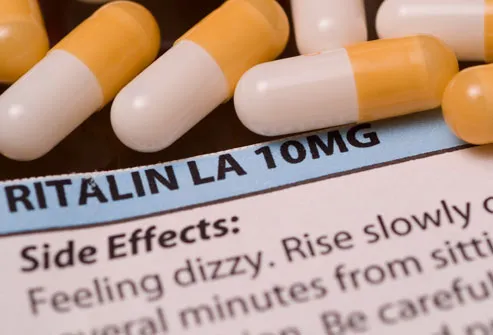
Stimulant medications, such as Ritalin, can help increase a child’s attention span while controlling hyperactivity and impulsive behavior. Studies suggest these drugs work in 70% to 80% of patients, although they have some troubling side effects. Non-stimulant medications, including Strattera, are also options for some children.


Counseling for ADHD

Counseling can help a child with ADHD learn to handle frustrations and build self-esteem. It can also provide parents with supportive strategies. A specific type of therapy, called social skills training, can help kids improve at taking turns and sharing. Studies show that long-term treatment with a combination of drugs and behavioral therapy is more effective than medication alone.


Special Education for ADHD

Most children with ADHD are educated in standard classrooms, but some do better in a more structured environment. Special education is a type of schooling that is tailored to meet the specific needs of children with learning disabilities or behavioral disorders. Not all children with ADHD qualify for special education.

The Role of Routine

Parents can give kids more structure at home by laying out clear routines. Posting a daily schedule will remind your child of what he or she is supposed to be doing at any given time. This can help a child with ADHD stay on task. The schedule should include specific times for waking up, eating, playing, homework, chores, activities, and bedtime.

ADHD Diets

Studies on ADHD diets have produced mixed results, but many health experts believe foods that are good for the brain could reduce symptoms of ADHD. High-protein foods, including eggs, meat, beans, and nuts, may improve concentration. It’s also helpful to replace simple carbs, like candy and white bread, with complex carbs, like pears and whole-grain bread. Talk to your pediatrician before making any dramatic changes to your child’s diet.

ADHD and Junk Food

While many kids bounce off the walls after eating junk food, there is no evidence that sugar is a cause of ADHD. The role of food additives is less
certain. Some parents believe preservatives and food colorings worsen the symptoms of ADHD, and the American Academy of Pediatrics says it’s reasonable to avoid these substances. One brain researcher recommends kids with ADHD steer clear of red and yellow food colorings, MSG, and aspartame.

ADHD and Television

The link between television and ADHD is unclear, but the American Academy of Pediatrics suggests limiting young children’s exposure. The group discourages TV viewing for kids under 2 and recommends no more than two hours a day for older kids. To help your child develop attention skills, encourage activities like
games, blocks, puzzles, and reading.

Preventing ADHD

There is no surefire way to prevent ADHD in children, but there are steps you can take to reduce the risk. You can increase your chance of your child not having ADHD by staying healthy during pregnancy. Start by avoiding alcohol, drugs, and tobacco during pregnancy. Children whose mothers smoked during pregnancy are twice as likely to develop ADHD.

Outlook for Children With ADHD

With treatment, a large majority of children with ADHD improve. They should continue to undergo regular follow-up since many kids grow out of the disorder as they get older. But more than half of patients continue experiencing symptoms once they reach adulthood.

 Source: 
http://helpguide.org/mental/adhd_add_signs_symptoms.htm
http://familydoctor.org/online/famdocen/home/children/parents/behavior/118.html
http://www.webmd.com/add-adhd/slideshow-adhd-in-children



Enhanced by Zemanta

Sunday, October 17, 2010

Manias and Obsessions

            Some of these mania words represent clinical illnesses, while others are merely facetious. They show the range of unusual and weird things with which one can become obsessed. These words are the ones found in major dictionaries; no doubt there are many others, given that, like phobias, manias are easy to form by taking a root word from Latin or Greek and affixing the suffix 'mania'.


      Word                                        Definition
ablutomania                       mania for washing oneself
aboulomania                      pathological indecisiveness
agromania                         intense desire to be in open spaces
andromania                       nymphomania
anglomania                       craze or obsession with England and the English
anthomania                       obsession with flowers
aphrodisiomania                abnormal sexual interest
arithmomania                    obsessive preoccupation with numbers
balletomania                     abnormal fondness for ballet
bibliomania                       craze for books or reading
bruxomania                       compulsion for grinding teeth
cacodemomania                pathological belief that one is inhabited by an evil spirit
catapedamania                  obsession with jumping from high places
chinamania                        obsession with collecting china
choreomania                     dancing mania or frenzy
clinomania                         excessive desire to stay in bed
copromania                       obsession with feces
cytheromania                    nymphomania
dacnomania                      obsession with killing
demonomania                   pathological belief that one is possessed by demons
dinomania                         mania for dancing
dipsomania                       abnormal craving for alcohol
discomania                       obsession for disco music
doramania                        obsession with owning furs
doromania                        obsession with giving gifts
drapetomania                    intense desire to run away from home
dromomania                     compulsive longing for travel
ecdemomania                   abnormal compulsion for wandering
egomania                          irrational self-centered attitude or self-worship
eleutheromania                 manic desire for freedom
empleomania                    mania for holding public office
enosimania                       pathological belief that one has sinned
entheomania                     abnormal belief that one is divinely inspired
epomania                          craze for writing epics
ergasiomania                     excessive desire to work; ergomania
ergomania                         excessive desire to work; workaholism
erotomania                       abnormally powerful sex drive
etheromania                      craving for ether
ethnomania                       obsessive devotion to one's own people
eulogomania                     obsessive craze for eulogies
flagellomania                     abnormal enthusiasm for flogging
florimania c                       raze for flowers
francomania                     craze or obsession with France and the French
gallomania                       craze or obsession with France and the French
gamomania                      obsession with issuing odd marriage proposals
Graecomania                   obsession with Greece and the Greeks
graphomania                    obsession with writing
gynaecomania                  abnormal sexual obsession with women
habromania                      insanity featuring cheerful delusions
hagiomania                       mania for sainthood
Hellenomania                   obsession with Greece and the Greeks; Graecomania
hexametromania               mania for writing in hexameter
hieromania                       pathological religious visions or delusions
hippomania                      obsession with horses
hydromania                      irrational craving for water
hylomania                        excessive tendency towards materialism
hypermania                      severe mania
hypomania                       minor mania
hysteromania                   nymphomania
iconomania                      obsession with icons or portraits
idolomania                      obsession or devotion to idols
infomania                         excessive devotion to accumulating facts
islomania                         craze or obsession for islands
Italomania                       obsession with Italy or Italians
kleptomania                     irrational predilection for stealing
klopemania                      kleptomania
logomania                        pathological loquacity
lypemania                        extreme pathological mournfulness
macromania                    delusion that objects are larger than natural size
megalomania                   abnormal tendency towards grand or grandiose behaviour
melomania                      Craze for music
methomania                    morbid craving for alcohol
metromania                     insatiable desire for writing verse
micromania                      pathological self-deprecation or belief that one is very small
monomania                      abnormal obsession with a single thought or idea
morphinomania                 habitual craving or desire for morphine
musomania                       obsession with music
mythomania                      lying or exaggerating to an abnormal extent
narcomania                      uncontrollable craving for narcotics
necromania                      sexual obsession with dead bodies; necrophilia
nosomania                       delusion of suffering from a disease
nostomania                      abnormal desire to go back to familiar places
nymphomania                  excessive or crazed sexual desire
oenomania                       obsession or craze for wine
oligomania                       obsession with a few thoughts or ideas
oniomania                        mania for making purchases
onomamania                    mania for names
onomatomania                 irresistible desire to repeat certain words
onychotillomania              compulsive picking at the fingernails
opiomania                       craving for opium
opsomania                      abnormal love for one kind of food
orchidomania                  abnormal obsession with orchids
parousiamania                 obsession with the second coming of Christ
pathomania                     moral insanity
peotillomania                  abnormal compulsion for pulling on the penis
phagomania                    excessive desire for food or eating
phaneromania                 habit of biting one’s nails
pharmacomania              abnormal obsession with trying drugs
phonomania                    pathological tendency to murder
photomania                    pathological desire for light
phyllomania                    excessive or abnormal production of leaves
phytomania                     obsession with collecting plants
planomania                     abnormal desire to wander and disobey social norms
plutomania                      mania for money
polemomania                   mania for war
politicomania                   mania for politics
polkamania                      craze for polka dancing
polymania                        mania affecting several different mental faculties
poriomania                       abnormal compulsion to wander
pornomania                      obsession with pornography
potichomania                   craze for imitating Oriental porcelain
potomania                       abnormal desire to drink alcohol
pseudomania                    irrational predilection for lying
pteridomania                     passion for ferns
pyromania                        craze for starting fires
rhinotillexomania               compulsive nose picking
rinkomania                       obsession with skating
satyromania                      abnormally great male sexual desire; satyriasis
scribbleomania                  obsession with scribbling
sebastomania                     religious insanity
sitiomania                          morbid aversion to food
sophomania                       delusion that one is incredibly intelligent
squandermania                   irrational propensity for spending money wastefully
stampomania                      obsession with stamp-collecting
syphilomania                      pathological belief that one is afflicted with syphilis
technomania                      craze for technology
Teutomania                       obsession with Teutonic or German things
thanatomania                     belief that one has been affected by death magic, and resulting illness
theatromania                      craze for going to plays
theomania                          belief that one is a god
timbromania                       craze for stamp collecting
tomomania                         irrational predilection for performing surgery
toxicomania                        morbid craving for poisons
trichotillomania                    neurosis where patient pulls out own hair
tulipomania                         obsession with tulips
typhomania                        delirious state resulting from typhus fever
typomania                          craze for printing one’s lucubrations
uranomania                         obsession with the idea of divinity
verbomania                        craze for words
xenomania                          inordinate attachment to foreign things
zoomania                            insane fondness for animals
 
Enhanced by Zemanta

Tuesday, February 2, 2010

Menthal Disorder...am i CRAZY?!


Bipolar disorder is a mental illness that causes extreme mood swings. This condition is also called manic-depressive illness or manic depression. It may be caused by a chemical imbalance in the brain.
Bipolar disorder sometimes runs in families. If you have a parent who has bipolar disorder, you have a greater chance of having it. Both men and women can have bipolar disorder. People of all ages can have it.
An estimated 22.1% of Americans ages 18 and older-about 1 in 5 adults-suffer from a diagnosable mental disorder in a given year.Census residential population estimate, this figure translates to 44.3 million people. In addition, 4 of the 10 leading causes of disability in the U.S. and other developed countries are mental disorders - major depression, bipolar disorder, schizophrenia, and obsessive-compulsive disorder. Many people suffer from more than one mental disorder at a given time.

Bipolar disorder is not easy to spot when it starts. The symptoms may seem like separate problems, not recognized as parts of a larger problem. Some people suffer for years before they are properly diagnosed and treated. Like diabetes or heart disease, bipolar disorder is a long-term illness that must be carefully managed throughout a person's life.
People with bipolar disorder may also have behavioral problems. They may abuse alcohol or substances, have relationship problems, or perform poorly in school or at work. At first, it's not easy to recognize these problems as signs of a major mental illness.

Symptoms of bipolar disorder are described below.
People having a manic episode may:
* Feel very "up" or "high"
* Feel "jumpy" or "wired"
* Talk really fast about a lot of different things
* Be agitated, irritable, or "touchy"
* Have trouble relaxing or sleeping
* Think they can do a lot of things at once and are more active than usual
* Do risky things, like spend a lot of money or have reckless sex.

People having a depressive episode may:
* Feel very "down" or sad
* Feel worried and empty
* Have trouble concentrating
* Forget things a lot
* Lose interest in fun activities and become less active
* Feel tired or "slowed down"
* Have trouble sleeping
* Think about death or suicide.
 How can I help myself if I have bipolar disorder?

You can help yourself by getting treatment and sticking with it. It takes time, and it's not easy. But treatment is the best way to start feeling better. Here are some tips:

* Talk to your doctor about your treatment
* Stay on your medication
* Keep a routine for eating and sleeping
* Make sure you get enough sleep
* Learn to recognize your mood swings
* Ask a friend or relative to help you stick with your treatment
* Be patient about your symptoms. Improvement takes time.
How can I help someone I know with bipolar disorder?
Help your friend or relative see a doctor to get the right diagnosis and treatment. You may need to make the appointment and go with him or her to the doctor.

Here are some helpful things you can do:
* Be patient
* Encourage your friend or relative to talk, and listen to him or her carefully
* Be understanding about mood swings
* Include your friend or relative in fun activities
* Remind him or her that getting better is possible with the right treatment.
Enhanced by Zemanta