Cold and Flu
Follow this chart for information about how to treat the symptoms of a cold or the flu and how to know when to see a doctor. Other illnesses may also cause flu- or cold-like symptoms. Self-care is often all that is needed to treat common viral illnesses.
| SYMPTOMS |
| DIAGNOSIS |
| SELF-CARE |
 |
|
|
|
|
| 1. Do you have a fever? |  | Go to Question 6.* |
|
|
 |
|
|
|
|
| 2. Do you have a sore throat and headache--without nasal drainage? |  | You may have STREP THROAT, a bacterial infection. |  | See your doctor if the sore throat or fever lasts longer than 48 hours. He or she can do a test to find out if you have strep throat. If you do, your doctor may give you an antibiotic to treat it. You should also get plenty of rest, and drink lots of water. Gargling with warm salt water may help relieve a sore throat. |
 |
|
|
|
|
| 3. Did your symptoms start suddenly, and do you have a combination of symptoms including muscle aches, chills, a sore throat, runny nose or cough? | | You may have the FLU. | | Get plenty of rest, and drink lots of fluids. Over-the-counter medicines may relieve some of your symptoms. Your doctor may suggest a prescription medicine that may shorten the course of the flu. Prevent the flu by getting a flu shot each fall. |
|
|
|
|
|
| 4. Do you have a persistent cough that brings up yellowish or greenish mucus, wheezing and shortness of breath. | | You may be developing ACUTE BRONCHITIS, an infection of the airways. | | Get plenty of rest, and drink lots of fluids. If you smoke, cut down on the number of cigarettes you smoke, or stop smoking. Use an over-the-counter medicine for pain and fever, and an expectorant to ease the coughing. A humidifier may also relieve some symptoms. If symptoms persist or worsen, contact your doctor. |
|
|
|
|
|
| 5. Do you have a headache or muscle aches, nausea or vomiting, and watery diarrhea? | | You may have GASTROENTERITIS (also called the stomach flu). | | Get plenty of rest. Children who have gastroenteritis should be given an oral rehydration solution to avoid dehydration. Ease back into eating with bland foods and clear liquids. |
|
| *6. Do you have a runny and/or itchy nose, sneezing, and itchy eyes? | | You may have ALLERGIES. | | Try an over-the-counter antihistamine medicine. If symptoms persist or worsen, contact your doctor. |
|
|
|
|
|
| 7. Do you have sneezing, a sore throat, headache, congestion and a runny nose? | | You probably have a COLD. | | Try an over-the-counter cold medicine to treat the specific symptoms you are having. Get plenty of rest, and drink lots of fluid. |
| | | | |
| 8. Do you have swelling or pain around your eyes, cheeks, nose or forehead, a headache, a dry cough, and/or discharge from the nose? | | You may be developing SINUSITIS. | | See your doctor. Acetaminophen, ibuprofen and/or warm compresses may help reduce facial pain. A cool mist vaporizer may help your sinuses drain more easily. Drink plenty of fluids. |
For more information, please talk to your doctor. If you think your problem is serious, call right away. |
|
|
| WARNING: Due to the risk of Reye's syndrome, don't give aspirin to children without your doctor's approval. |
This tool has been reviewed by doctors and is for general educational purposes only. It is not a substitute for medical advice. The information in this tool should not be relied upon to make decisions about your health. Always consult your family doctor with questions about your individual condition(s) and/or circumstances. Source: American Academy of Family Physicians. Family Health & Medical Guide. Dallas: Word Publishing; 1996Natural RemediesVitamin C
- Vitamin C has been studied for many years as a possible treatment for colds, or as a way to prevent colds. But findings have been somewhat inconsistent. Overall, experts have found little to no benefit for vitamin C preventing or treating the common cold.

In a July 2007 study, researchers wanted to discover whether taking 200 milligrams or more of vitamin C daily could reduce the frequency, duration, or severity of a cold. After reviewing 60 years of clinical research, they found that when taken after a cold starts, vitamin C supplements do not make a cold shorter or less severe. When taken daily, vitamin C very slightly shorted cold duration -- by 8% in adults and by 14% in children.
But researchers found the most effect on people who were in extreme conditions, such as marathon runners. In this group, taking vitamin C cut their risk of catching a cold in half.
Echinacea

Echinacea is an herbal supplement that can boost immune system activity. But it’s unclear whether this boost helps fight off colds or flu. Some researchers have reported no benefits, but at least one recent study paints a more positive picture. Participants who took echinacea shortened their colds by an average of 1.4 days. Still, experts remain skeptical, and it’s best to check with a doctor before trying this or other herbal remedies.
- One study of 95 people with early symptoms of cold and flu (such as runny nose, scratchy throat, and fever), found that those who drank several cups of echinacea tea every day for 5 days felt better sooner than those who drank tea without echinacea. (http://www.umm.edu/altmed/articles/echinacea-000239.htm)
Zinc

Zinc lozenge have long been believed to prevent colds and the flu as well as to significantly speed up the recovery period for colds and flu sufferers. The scientific evidence, however, has been mixed. Some studies found that zinc lozenges are indeed helpful while other studies found that they do not make much of a difference.
One of the more recent studies ,patients with cold symptoms were given either a zinc lozenge containing
12.8 mg of zinc acetate or a placebo. They were then asked to rate the severity of various symptoms, such as sore throat, runny nose, cough, fever, headache, etc. The study found:
- Patients who took the zinc lozenges reported symptoms for an average of 4.5 days, while those who took the placebo reported symptoms for about 8 days
- Runny nose and cough appeared to respond best to the zinc supplement. Patients who took the zinc supplement coughed for an average of 3 days, compared with six days for those who took the placebo.( http://www.flu-treatments.com/zinc-facts.html )
Chicken Soup

- Grandma was onto something. Chicken soup may help cold symptoms in more than one way. Inhaling the steam can ease nasal congestion. Sipping spoonfuls of fluid can help avoid dehydration. And some advocates say the soup may soothe inflammation. Researchers have found chicken soup has anti-inflammatory properties in the lab, though it’s unclear whether this effect translates to real-world colds.
Hot Tea
- Drinking hot tea offers some of the same benefits as chicken soup. Inhaling the steam relieves congestion, while swallowing the fluid soothes the throat and keeps you hydrated. Black and green teas have the added bonus of being loaded with disease-fighting antioxidants.
Hot Toddy
- The hot toddy is an age-old nighttime cold remedy. Since you won’t want to drink black tea before bed, make a cup of hot herbal tea. Add a teaspoon of honey, a small shot of whiskey or bourbon, and a squeeze of lemon. This mixture may ease congestion, soothe the throat and help you sleep. Limit yourself to one hot toddy. Too much alcohol can affect the immune system.
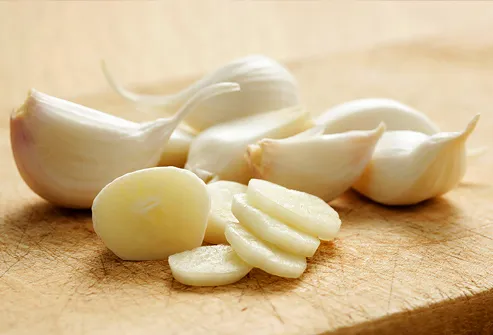
Garlic
Garlic is sometimes said to help treat the symptoms of colds and flu, however it is best seen as a preventative. The use of garlic against colds and flu seems to be most effective when taken
before the infection is caught, or immediately the symptoms begin to show.
Scientific research has shown that people taking garlic can suffer less from colds than a control group. There is also plentiful anecdotal evidence that taking large amounts of garlic at the onset of a cold can reduce the time taken to recover. As always, discuss any treatment with your doctor - garlic can interfere with the working of certain medical drugs.
Steam/Humidifier
- For a heavy dose of steam, use a room humidifier – or simply sit in the bathroom with the door shut and a hot shower running. Breathing in steam can break up congestion in the nasal passages, offering relief from a stuffy or runny nose.
Saline Drops
- Dripping saltwater into the nose can remove virus and bacteria particles, while reducing congestion. Try over-the-counter saline drops, or make your own by mixing 8 ounces of warm water with 1/4 teaspoon salt and 1/4 teaspoon baking soda. Use a bulb syringe to squirt the mixture into one nostril while holding the other one closed. Repeat 2-3 times and then do the other side.
Natural Cold and Flu Remedies
It’s no wonder natural cold and flu remedies are popular – modern medicine has yet to offer a cure for these age-old ailments. While some antiviral drugs can prevent and shorten the flu’s duration, most medications only offer temporary relief of symptoms. Many natural remedies provide temporary relief as well, and a few may actually help you get better. See which cold and flu remedies show the most promise.
Echinacea
Echinacea is an herbal supplement that can boost immune system activity. But it’s unclear whether this boost helps fight off colds or flu. Some researchers have reported no benefits, but at least one recent study paints a more positive picture. Participants who took echinacea shortened their colds by an average of 1.4 days. Still, experts remain skeptical, and it’s best to check with a doctor before trying this or other herbal remedies.
Zinc
Some studies show that Zinc appears to have antiviral properties. There is some evidence the mineral may prevent the formation of certain proteins that cold viruses use to reproduce themselves. While zinc does not appear to help prevent colds, some research suggests it may help sh
orten cold symptom duration. The FDA recommends against using zinc nasal products for colds because of reports of permanent loss of smell. Vitamin C
The cold-fighting prowess of vitamin C remains uncertain. While vitamin C doesn't seem to prevent colds, some studies suggest it can help shorten the duration of the common cold slightly. In one large study, people recovered from colds more quickly after taking a megadose (8,000 milligrams) on the first day of the cold. But taking more than 2,000 milligrams of vitamin C per day may cause kidney stones and diarrhea. Chicken Soup
Grandma was onto something. Chicken soup may help cold symptoms in more than one way. Inhaling the steam can ease nasal congestion. Sipping spoonfuls of fluid can help avoid dehydration. And some advocates say the soup may soothe inflammation. Researchers have found chicken soup has anti-inflammatory properties in the lab, though it’s unclear whether this effect translates to real-world colds.
Hot Tea
Drinking hot tea offers some of the same benefits as chicken soup. Inhaling the steam relieves congestion, while swallowing the fluid soothes the throat and keeps you hydrated. Black and green teas have the added bonus of being loaded with disease-fighting antioxidants.
Hot Toddy
The hot toddy is an age-old nighttime cold remedy. Since you won’t want to drink black tea before bed, make a cup of hot herbal tea. Add a teaspoon of honey, a small shot of whiskey or bourbon, and a squeeze of lemon. This mixture may ease congestion, soothe the throat and help you sleep. Limit yourself to one hot toddy. Too much alcohol can affect the immune system.
Garlic
Garlic has long been touted for legendary germ-fighting abilities. While there is not enough research to recommend it as a cold remedy, garlic is very nutritious. In addition, it can help spice up your meals when a stuffy nose makes everything taste bland. Steam/Humidifier
For a heavy dose of steam, use a room humidifier – or simply sit in the bathroom with the door shut and a hot shower running. Breathing in steam can break up congestion in the nasal passages, offering relief from a stuffy or runny nose.
Saline Drops
Dripping saltwater into the nose can remove virus and bacteria particles, while reducing congestion. Try over-the-counter saline drops, or make your own by mixing 8 ounces of warm water with 1/4 teaspoon salt and 1/4 teaspoon baking soda. Use a bulb syringe to squirt the mixture into one nostril while holding the other one closed. Repeat 2-3 times and then do the other side.
Natural Cold and Flu Remedies
It’s no wonder natural cold and flu remedies are popular – modern medicine has yet to offer a cure for these age-old ailments. While some antiviral drugs can prevent and shorten the flu’s duration, most medications only offer temporary relief of symptoms. Many natural remedies provide temporary relief as well, and a few may actually help you get better. See which cold and flu remedies show the most promise.
Echinacea
Echinacea is an herbal supplement that can boost immune system activity. But it’s unclear whether this boost helps fight off colds or flu. Some researchers have reported no benefits, but at least one recent study paints a more positive picture. Participants who took echinacea shortened their colds by an average of 1.4 days. Still, experts remain skeptical, and it’s best to check with a doctor before trying this or other herbal remedies.
Zinc
Some studies show that Zinc appears to have antiviral properties. There is some evidence the mineral may prevent the formation of certain proteins that cold viruses use to reproduce themselves. While zinc does not appear to help prevent colds, some research suggests it may help sh
orten cold symptom duration. The FDA recommends against using zinc nasal products for colds because of reports of permanent loss of smell. Vitamin C
The cold-fighting prowess of vitamin C remains uncertain. While vitamin C doesn't seem to prevent colds, some studies suggest it can help shorten the duration of the common cold slightly. In one large study, people recovered from colds more quickly after taking a megadose (8,000 milligrams) on the first day of the cold. But taking more than 2,000 milligrams of vitamin C per day may cause kidney stones and diarrhea. Chicken Soup
Grandma was onto something. Chicken soup may help cold symptoms in more than one way. Inhaling the steam can ease nasal congestion. Sipping spoonfuls of fluid can help avoid dehydration. And some advocates say the soup may soothe inflammation. Researchers have found chicken soup has anti-inflammatory properties in the lab, though it’s unclear whether this effect translates to real-world colds.
Hot Tea
Drinking hot tea offers some of the same benefits as chicken soup. Inhaling the steam relieves congestion, while swallowing the fluid soothes the throat and keeps you hydrated. Black and green teas have the added bonus of being loaded with disease-fighting antioxidants.
Hot Toddy
The hot toddy is an age-old nighttime cold remedy. Since you won’t want to drink black tea before bed, make a cup of hot herbal tea. Add a teaspoon of honey, a small shot of whiskey or bourbon, and a squeeze of lemon. This mixture may ease congestion, soothe the throat and help you sleep. Limit yourself to one hot toddy. Too much alcohol can affect the immune system.
Garlic
Garlic has long been touted for legendary germ-fighting abilities. While there is not enough research to recommend it as a cold remedy, garlic is very nutritious. In addition, it can help spice up your meals when a stuffy nose makes everything taste bland. Steam/Humidifier
For a heavy dose of steam, use a room humidifier – or simply sit in the bathroom with the door shut and a hot shower running. Breathing in steam can break up congestion in the nasal passages, offering relief from a stuffy or runny nose.
Saline Drops
Dripping saltwater into the nose can remove virus and bacteria particles, while reducing congestion. Try over-the-counter saline drops, or make your own by mixing 8 ounces of warm water with 1/4 teaspoon salt and 1/4 teaspoon baking soda. Use a bulb syringe to squirt the mixture into one nostril while holding the other one closed. Repeat 2-3 times and then do the other side.
Neti Pot
- For a more systematic nasal rinse, the neti pot is an option. This small ceramic pot is used to flush out the nasal passages with a saltwater solution – a process known as nasal irrigation. The result is thinner mucus that drains more easily. Research suggests neti pots are useful in relieving sinus symptoms, such as congestion, pressure, and facial pain, particularly in patients with chronic sinus troubles.
Menthol Ointment
- Days of wiping and blowing your nose can leave the skin around your nostrils sore and irritated. A simple remedy is to dab a menthol-infused ointment under, but not in, the nose. Menthol has mild numbing agents that can relieve the pain of raw skin. As an added benefit, breathing in the medicated vapors that contain menthol or camphor can help open clogged passages and relieve cough due to colds. Use only in children over 3 years of age.
Saltwater Gargle
- For a sore throat, the traditional saltwater gargle has merit. Gargling warm water with a teaspoon of salt four times daily can help keep a scratchy throat moist.
Let Your Fever Work
- A fever is the original natural remedy. The rise in temperature actively fights colds and flu by making your body inhospitable for germs. Endure a moderate fever for a couple of days to get better faster. Just be sure to stay well hydrated. Call your doctor right away if the fever is over 105, unless it comes down quickly with treatment. In infants 3 months or younger call your doctor for any fever greater than 100.4. Children with a fever of less than 102 usually don’t require treatment unless they’re uncomfortable.
Rest in Bed
- With our busy lives, most of us loathe to spend a day or two under the covers. But getting plenty of rest lets your body direct more energy to fighting off germs. Staying warm is also important, so tuck yourself in and give your immune cells a leg up in their noble battle.
Source:
http://www.medicalnewstoday.com/sections/flu-sars/ http://familydoctor.org/online/famdocen/home/tools/symptom/517.htmlhttp://www.webmd.com/cold-and-flu/http://www.webmd.com/cold-and-flu/slideshow-cold-or-flu
 Body piercing, a form of body modification, is the practice of puncturing or cutting a part of the human body, creating an opening in which jewellery may be worn.
 Any piercing that interferes with normal function of the body carries a higher risk. Specific piercings each present their own risks. For example: