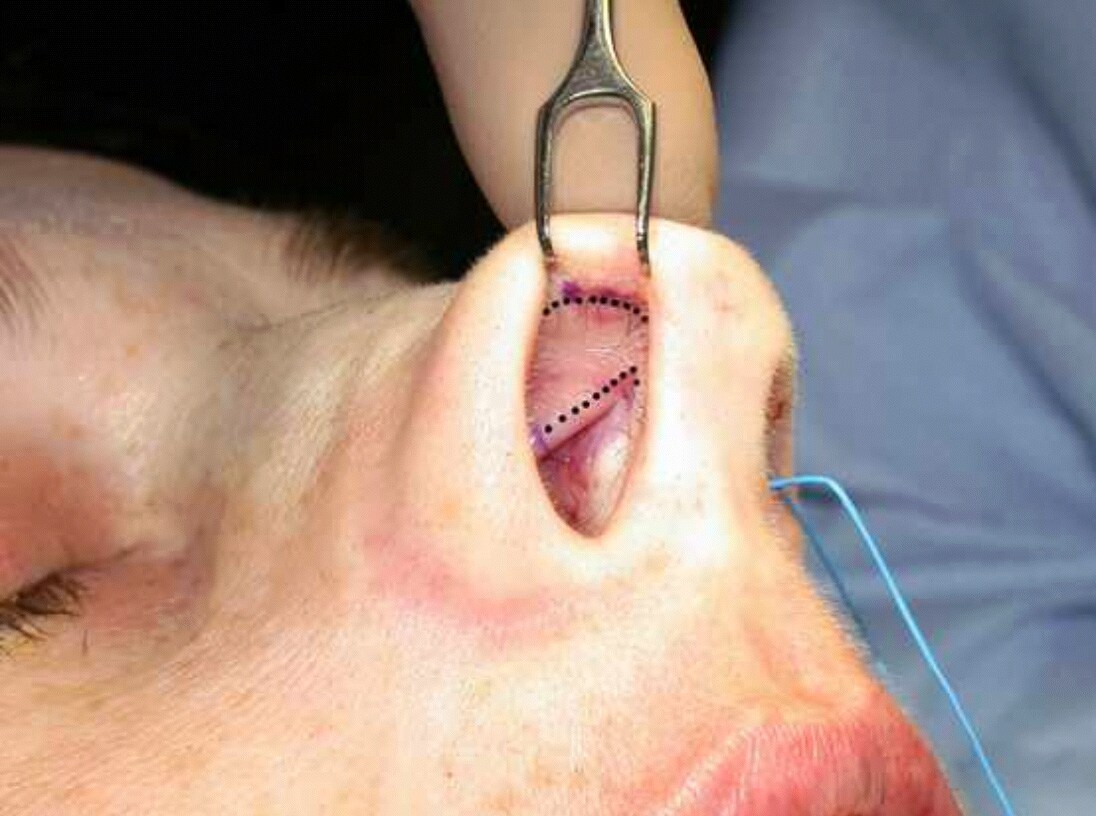
Otolaryngologists [abr. O.R.L / ENT ] are physicians trained in the medical and surgical management and treatment of patients with diseases and disorders of the ear, nose, throat (ENT), and related structures of the head and neck. They are commonly referred to as ENT physicians.
What do otolaryngologists treat?Otolaryngologists diagnose and manage diseases of the sinuses, larynx (voice box), oral cavity, and upper pharynx (mouth and throat), as well as structures of the neck and face, as well as many ENT primary care problems in both children and adults.
The ears—Hearing loss affects one in ten North Americans. The unique domain of otolaryngologists is the treatment of ear disorders. They are trained in both the medical and surgical treatment of hearing, ear infections, balance disorders, ear noise (tinnitus), nerve pain, and facial and cranial nerve disorders. Otolaryngologists also manage congenital (birth) disorders of the outer and inner ear.
The nose—About 35 million people develop chronic sinusitis each year, making it one of the most common health complaints in America. Care of the nasal cavity and sinuses is one of the primary skills of otolaryngologists. Management of the nasal area includes allergies and sense of smell. Breathing through, and the appearance of, the nose are also part of otolaryngologists’ expertise.
The throat—Communicating (speech and singing) and eating a meal all involve this vital area. Also specific to otolaryngologists is expertise in managing diseases of the larynx (voice box) and the upper aero-digestive tract or esophagus, including voice and swallowing disorders.
The head and neck—This center of the body includes the important nerves that control sight, smell, hearing, and the face. In the head and neck area, otolaryngologists are trained to treat infectious diseases, both benign and malignant (cancerous) tumors, facial trauma, and deformities of the face. They perform both cosmetic plastic and reconstructive surgery.
How are ear, nose, and throat specialists trained?
Otolaryngologists are ready to start practicing after completing up to 15 years of college and post-graduate training. To qualify for certification by the American Board of Otolaryngology, an applicant must first complete college, medical school (usually four years), and at least five years of specialty training. Next, the physician must pass the American Board of Otolaryngology examination. In addition, some otolaryngologists pursue a one- or two- year fellowship for more extensive training in one of eight subspecialty areas.
These subspeciality areas are pediatric otolaryngology (children), otology/neurotology (ears, balance, and tinnitus), allergy, facial plastic and reconstructive surgery, head and neck, laryngology (throat), rhinology (nose), and sleep. Some otolaryngologists limit their practices to one of these eight areas.
What are the seven areas of expertise in the field of otolaryngology?
- Otology/Neurotology: diseases of the ear, including trauma (injury), cancer, and nerve pathway disorders, which affect hearing and balance.
Treating: ear infection; swimmer’s ear; hearing loss; ear, face, or neck pain; dizziness, ringing in the ears (tinnitus). - Pediatric Otolaryngology: diseases in children with special ENT problems including birth defects of the head and neck and developmental delays.
Treating: ear infection (otitis media), tonsil and adenoid infection, airway problems, Down’s syndrome, asthma and allergy/sinus disease. - Head and Neck: cancerous and noncancerous tumors in the head and neck, including the thyroid and parathyroid.
Treating: lump in the neck or thyroid, cancer of the voice box. - Facial Plastic and Reconstructive Surgery: cosmetic, functional, and reconstructive surgical treatment of abnormalities of the face and neck.
Treating: deviated septum, rhinoplasty (nose), face lift, cleft palate, drooping eyelids, hair loss. - Rhinology: disorders of the nose and sinuses.Treating: sinus disorder, nose bleed, stuffy nose, loss of smell.

- Laryngology: disorders of the throat, including voice and swallowing problems.
Treating: sore throat, hoarseness, swallowing disorder, gastroesophageal reflux disease (GERD). - Allergy: treatment by medication, immunotherapy (allergy shots) and/or avoidance of pollen, dust, mold, food, and other sensitivities that affect the ear, nose, and throat.
Treating: hay fever, seasonal and perennial rhinitis, chronic sinusitis, laryngitis, sore throat, otitis media, dizziness.
Why should I see an otolaryngologist?These specialists differ from many physicians in that they are trained in both medicine and surgery. Otolaryngologists do not need to refer patients to other physicians when ear, nose, throat, or head/neck surgery is needed and, therefore, can offer the most appropriate care for each individual patient. Therefore, otolaryngologists are the most appropriate physicians to treat disorders of the ears, nose, throat, and related structures of the head and neck.
What other criteria should I consider as I choose an otolaryngologist in my area?- Areas of specialty or subspecialties
- Medical education and training
- Licenses or board certification
- Practice areas
- Office locations
- Physician availability
- Insurance coverage
WhatIsAnOtolaryngologist.pdf